Rabbit Care

The Ultimate 2026 Guide to Caring for Giant Rabbits

giant rabbits

The Ultimate 2026 Guide to Caring for Giant Rabbits

Giant rabbits are breathtaking animals. Calm, intelligent and incredibly affectionate, they often capture hearts instantly. But caring for a giant rabbit is not simply an upsized version of caring for a standard rabbit. Their size, strength and long-term welfare needs require thoughtful planning, proper space and a commitment to doing things correctly from the start.

In 2026, awareness around rabbit welfare is improving, but giant breeds still remain one of the most misunderstood. This guide is designed to give you a clear, honest and detailed understanding of what giant rabbits truly need — not just to survive, but to thrive.

Giant Rabbits Are Not Just Big Bunnies

One of the biggest misconceptions about giant rabbits is that they can live comfortably in the same environments as smaller breeds. Giant rabbits grow rapidly, placing significant strain on their joints, spine and internal organs if their environment is unsuitable. Housing that is too small, flooring that is too hard or slippery, and restricted movement can lead to long-term health issues that are entirely preventable.

Because of their size, giant rabbits also eat more, drink more and produce more waste. This means their living environment must be easier to clean, well ventilated and designed to cope with daily use. A setup that feels “fine” for a standard rabbit can quickly become inadequate for a giant breed.

What the Rabbit Welfare Experts Say (Why Giant Rabbits Need More Than “Standard Care”)

The Rabbit Welfare Association & Fund (RWAF) is clear that giant rabbits have specific welfare needs that go beyond standard rabbit care. They consistently highlight that size-related issues — such as joint strain, pressure sores and reduced mobility — are far more likely when giant breeds are kept in housing that is too small or poorly designed. RWAF guidance stresses the importance of generous space, solid flooring, proper shelter and the ability to move freely without restriction, noting that welfare problems in giant rabbits are often caused by environments that simply don’t scale up with the rabbit. Their message is clear: giant rabbits thrive when their housing, exercise space and daily care are planned around their true adult size, not adapted from setups designed for smaller breeds.

Space Is a Welfare Requirement, Not a Luxury

Space is one of the most critical aspects of caring for a giant rabbit properly. These rabbits need room to stretch fully, hop several times in a straight line and stand upright on their hind legs without their ears brushing the ceiling. Restricted space doesn’t just limit movement — it directly impacts muscle development, digestion and mental wellbeing.

Inadequate space often leads to frustration, destructive behaviour and reduced quality of life. Giant rabbits are surprisingly active, especially during dawn and dusk, and they require an environment that supports natural movement rather than containing it.

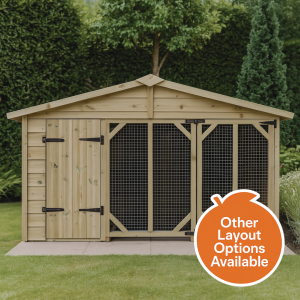
rabbit shed for giant rabbit

Feeding Giants the Right Way (The Diet That Protects Health, Weight and Longevity)

A giant rabbit’s diet must support both their size and their long-term skeletal health. High-quality hay should make up the majority of their daily intake, helping to maintain healthy digestion and prevent dental issues that are common in larger breeds. Fresh water should always be available in a container large enough to accommodate their higher intake, as small bottles are often insufficient.

Because giant rabbits grow quickly, overfeeding concentrated foods can place excess strain on developing joints. A balanced, measured approach is essential, focusing on fibre first and allowing steady, controlled growth rather than rapid weight gain.

giant rabbit

Handling and Daily Care Done Right (How to Keep Giant Rabbits Calm, Comfortable and Confident)

Despite their gentle nature, giant rabbits are powerful animals. Improper handling can lead to injury for both the rabbit and the owner. Many giant rabbits prefer ground-level interaction rather than being lifted, and their environment should be designed to minimise the need for frequent handling.

Daily care should focus on observation, cleanliness and comfort. Because of their size, even small issues such as damp bedding or awkward sleeping positions can escalate quickly if not addressed. A well-designed living space makes daily care easier, faster and far less stressful.

giant rabbit

Housing Giant Rabbits the Right Way

Housing is where most giant rabbit welfare issues begin. Traditional hutches, even those marketed as “large”, are rarely suitable for giant breeds. Low ceilings, narrow doorways and weak flooring simply aren’t designed to support the weight and movement of these rabbits.

Giant rabbits need housing that offers full height, solid construction and excellent weather protection. The space should feel more like a secure outdoor room than a cage. Proper housing allows for natural behaviours such as stretching out, flopping comfortably and moving freely throughout the day.

Why Rabbit Sheds Are the Gold Standard for Giant Rabbits

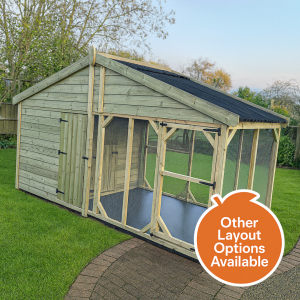
rabbit hutch shed

For giant rabbits, a rabbit shed is often the most practical, welfare-focused housing solution available. A shed provides the height, floor space and structural strength that giant breeds genuinely need. Unlike traditional hutches, sheds allow rabbits to move naturally without restriction, reducing strain on joints and supporting long-term health.

A well-designed rabbit shed also makes life easier for owners. Cleaning is more manageable, access is better, and there is space to create distinct areas for feeding, resting and enrichment. In 2026, rabbit sheds are increasingly recognised as the most responsible choice for larger breeds, particularly when paired with a secure run or exercise area.

Creating a Comfortable and Safe Shed Environment

Inside a rabbit shed, flooring should be smooth, dry and easy to maintain. Soft resting areas are essential to prevent pressure sores, especially for heavier rabbits. Ventilation is equally important, as giant rabbits generate more body heat and need good airflow without exposure to draughts.

A shed should feel calm and secure, not exposed or temporary. When rabbits feel safe in their environment, they are more relaxed, more social and far less likely to develop stress-related behaviours.

A Lifetime Commitment, Not a Phase (What Giant Rabbits Need for Long-Term Welfare)

Caring for a giant rabbit is a long-term responsibility. These rabbits can live for many years when cared for correctly, and their needs do not decrease with age. Planning for their future — including housing durability, ease of access and ongoing maintenance — is part of responsible ownership.

Choosing the right setup from the beginning often prevents costly upgrades later and ensures your rabbit enjoys consistent comfort throughout their life.

giant rabbit

Exercise That Matches Their Size (Why “Big Enough” Isn’t Big Enough for Giant Rabbits)

Exercise is essential for giant rabbits, but it must match their scale. These breeds need room to stretch fully, hop in long strides and move without restriction to support joint health, muscle strength and digestion. Standard runs simply don’t provide enough space for natural movement and can lead to stiffness or frustration over time. This is why jumbo exercise runs are the best choice for giant rabbits, offering the length, width and height they need to move comfortably and confidently. When given proper space to exercise, giant rabbits are calmer, healthier and far better equipped for long-term wellbeing — proving that for giants, bigger really is better.

giant rabbit

Made to Measure Matters (Because Giant Rabbits Don’t Fit Standard Sizes)

When it comes to giant rabbits, standard sizes rarely work. Their length, height and overall build mean off-the-shelf housing and accessories often fall short, creating cramped spaces that compromise comfort and welfare. Made-to-measure solutions remove that risk entirely by tailoring the space to the rabbit — not the other way around. A bespoke setup allows for proper stretching, relaxed resting positions and easy movement, all of which are essential for giant breeds. It also means doors, roofs and access points are designed for real use, making daily care easier while ensuring the rabbit’s environment remains spacious, secure and built to last. For giant rabbits, made to measure isn’t an upgrade — it’s the most responsible way to care for them properly.

Final Thoughts on Caring for These Fluffy Giants

Giant rabbits are extraordinary companions, but they deserve care that reflects their unique needs. With the right space, diet and housing — particularly a well-designed rabbit shed — these gentle giants can live happy, healthy and enriched lives.

If you’re committed to doing things properly in 2026, thoughtful planning now will make all the difference to your rabbit’s welfare in the years to come.


giant rabbit

Frequently Asked Questions

How Big Do Giant Rabbits Actually Get?

Giant rabbit breeds such as Flemish Giants and Continental Giants can grow significantly larger than standard rabbits, often weighing between 6–10kg when fully grown. Their body length, height and overall mass mean they require far more space than many first-time owners expect. This size difference isn’t just visual — it directly affects housing, exercise needs and long-term joint health, which is why planning for their adult size from the start is essential.


Do Giant Rabbits Make Good Pets?

Yes — giant rabbits can make wonderful pets, but only for the right owners.

They are typically gentle, calm and affectionate, and many enjoy human interaction. However, their large size means they need significantly more space, stronger housing and a higher level of care than smaller rabbits. Giant rabbits suit owners who are prepared to commit to their welfare properly and provide an environment that allows them to live comfortably and happily long-term.


Do Giant Rabbits Need More Exercise Than Normal Rabbits?

Giant rabbits need just as much movement as smaller rabbits — if not more — to support muscle strength, joint health and digestion. Because of their weight, lack of exercise can quickly lead to stiffness and mobility issues. Daily access to a secure exercise area allows giant rabbits to stretch fully, hop freely and move naturally, which is essential for keeping them physically and mentally healthy. Many owners choose large, predator-proof rabbit runs to provide safe outdoor exercise without compromising security.


Can Giant Rabbits Live Indoors?

Some giant rabbits do live indoors, but space is the deciding factor. These breeds need room to move comfortably, lie stretched out and stand upright without restriction. In many homes, this can be difficult to achieve without dedicating an entire room. For this reason, many owners opt for a spacious outdoor setup that offers more freedom and better long-term comfort, especially as the rabbit grows to full size.


What Is the Best Housing for Giant Rabbits?

The best housing for giant rabbits is tall, spacious and solidly built. Traditional hutches are rarely suitable, even when labelled as “extra large.” Giant rabbits need full-height accommodation that supports their weight and allows unrestricted movement. This is why many experienced owners choose rabbit sheds, which provide the space, durability and weather protection giant breeds require. A well-designed shed creates a calm, secure environment that supports welfare throughout every stage of life.


Can Giant Rabbits Live Outside All Year Round?

Giant rabbits can live outdoors year-round if they are housed correctly. Their accommodation must be fully weatherproof, well ventilated and free from draughts. Because of their size, they are particularly vulnerable to damp flooring and poorly insulated housing. A robust setup, combined with appropriate bedding and protection from extreme weather, allows giant rabbits to remain comfortable throughout the seasons.


Do Giant Rabbits Eat More Than Other Rabbits?

Yes, giant rabbits naturally consume more food due to their size. High-quality hay should always form the bulk of their diet, supporting digestion and dental health. Water intake is also higher, meaning larger bowls or systems are often more suitable than small bottles. While they eat more overall, their diet still needs to be carefully balanced to avoid unnecessary strain on growing joints.


Are Giant Rabbits More Expensive to Care For?

Giant rabbits can be more expensive to care for than smaller breeds. They require more food, larger housing, stronger materials and often higher veterinary costs simply due to their size. However, many of these costs can be reduced long-term by choosing the right setup from the beginning, particularly when it comes to durable housing and adequate space.


What Is The Lifespan Of A Giant Rabbit?

With proper care, giant rabbits can live for many years. Good housing, appropriate exercise, a balanced diet and regular health checks all play a role in longevity. Many health issues seen in giant breeds are linked to inadequate space or unsuitable housing, which makes early planning one of the most important decisions an owner can make.


What Is The Largest Breed of Rabbits?

The Flemish Giant is widely recognised as the largest rabbit breed in the world. Originally bred for size, Flemish Giants can reach impressive weights and lengths, with some adults growing well over 70cm long when fully stretched out. Their broad bodies, long ears and powerful build make them instantly recognisable as a true giant breed.

That said, the Continental Giant is often just as large — and in some cases even heavier — particularly in the UK and Europe. Continental Giants are known for their muscular frames and rapid growth, which means both breeds require significantly more space, stronger housing and careful long-term welfare planning compared to standard rabbits.


Do Giant Rabbits Need a Companion?

Yes. Giant rabbits do need a companion, just like all other rabbits.

They are social animals and can become lonely or stressed if kept alone. A bonded pair provides comfort, interaction and emotional security, helping giant rabbits feel calmer and more settled. The key is ensuring they are neutered and have enough space to live comfortably together.

rabbit hutch world logo

CONTINUE SHOPPING