Rabbit Care

Are Giant Rabbits Good Pets? What Most Owners Don’t Expect

giant rabbit

Are Giant Rabbits Good Pets?
What Most Owners Don’t Expect

If you’ve been looking at photos of giant rabbits online, it’s easy to fall in love. Their huge ears, oversized paws and calm expressions make them look like something out of a storybook. Breeds such as the Flemish Giant and Continental Giant rabbits are especially popular because of their gentle nature and impressive size.

But before bringing a giant rabbit home, there are a few things most new owners don’t fully realise. Yes, they are affectionate. Yes, they can make wonderful pets. But their size changes everything — from housing to diet to daily care.

So are giant rabbits good pets? The honest answer is yes, but only if you’re prepared for what comes with owning one.

Let’s talk about what that really means.

They’re Bigger Than You Think — And They Keep Growing

A baby giant rabbit can look manageable at first. But breeds like the Flemish Giant and Continental Giant rabbits grow quickly and can easily reach 6kg or more as adults. Some grow even larger. Their bodies are long, powerful and surprisingly strong.

Many people underestimate just how much space a giant rabbit will need once fully grown. What looks spacious for a standard rabbit can feel restrictive for a giant breed within months.

Size isn’t just about appearance. It affects how they move, stretch, rest and explore. And that has a direct impact on their wellbeing.

What the Experts Say About Caring for Giant Rabbits

Rabbit welfare specialists consistently explain that giant rabbits have needs that go beyond basic rabbit care. Because of their size and weight, they are more prone to issues such as joint strain, sore hocks and reduced mobility if kept in housing that is too small or poorly structured. Guidance from welfare organisations makes it clear that larger breeds require generous floor space, supportive surfaces, reliable shelter and the freedom to move without restriction. Many common problems seen in giant rabbits can be traced back to environments that simply weren’t designed with their adult size in mind. The message is straightforward: when housing, exercise areas and daily care are planned properly around a giant rabbit’s full growth, they are far more likely to remain healthy, active and comfortable throughout their lives.

Exercise Needs Are Much Higher Than Expected

Giant rabbits may seem laid back, but they still need plenty of exercise. In fact, because of their size, movement is even more important for joint health and overall fitness.

A small run simply isn’t enough for a giant rabbit. They need room to take proper strides, hop fully and explore safely. A jumbo rabbit run gives them the freedom to move naturally and reduces boredom.

Without enough exercise space, giant rabbits can become frustrated or inactive, which may lead to weight gain or stiffness. Movement is not optional for these breeds. It is essential.

giant rabbit

Diet: Same Basics, Bigger Quantities

The diet of a giant rabbit follows the same principles as any other rabbit. Hay should make up the majority of what they eat. Fresh leafy greens are important, along with a measured portion of good quality pellets and constant access to fresh water.

The difference is the quantity.

Giant rabbits eat more hay, drink more water and generally cost more to feed. This isn’t a negative, but it is something to plan for. Their size means their digestive system needs steady fibre intake throughout the day, just like any rabbit, only on a larger scale.

rabbit eating

Behaviour: Gentle Giants With Big Personalities

One of the reasons people adore giant rabbits is their temperament. Flemish Giant and Continental Giant rabbits are often described as calm, relaxed and affectionate. Many enjoy human interaction and can form strong bonds with their owners.

However, their strength should not be underestimated. They are powerful animals and can injure themselves or others if handled incorrectly. Most giant rabbits prefer interaction at ground level rather than being lifted, simply because of their size and weight.

They are intelligent too. They need mental stimulation, enrichment and companionship. Like all rabbits, they are social animals and usually benefit from having a rabbit friend.

flemish giant rabbit

Housing Isn’t Just Bigger — It Needs To Be Built For Giants

This is where most owners get caught out.

A traditional hutch that might work for a smaller rabbit often isn’t suitable long term for a giant rabbit. They need to be able to stand up fully without their ears touching the roof. They need room to stretch out completely. They need space to move around comfortably without feeling confined.

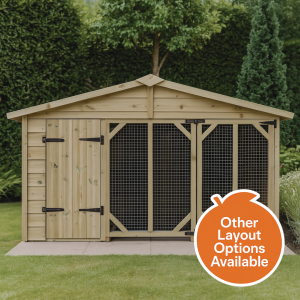
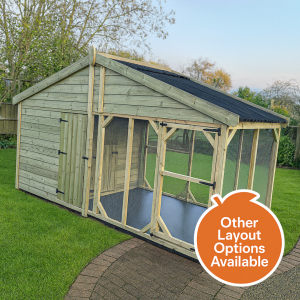
For many giant rabbits, a properly designed rabbit shed is a far better solution than a standard hutch. A shed gives them height, depth and proper floor space. It allows you to set up clear areas for sleeping, feeding and moving. It also makes cleaning and daily care much easier.

When people ask whether giant rabbits are good pets, housing is usually the hidden factor. With the right space, they thrive. Without it, problems can start to develop.

rabbit shed for giant rabbit

Housing Giant Rabbits the Right Way

For owners of giant rabbits, choosing the right housing makes all the difference — and that’s exactly why our best-selling rabbit sheds have become so popular with giant rabbit owners across the UK. Designed with generous height, depth and floor space, they give larger breeds like the Flemish Giant and Continental Giant rabbits the room they genuinely need to stretch, stand upright and move comfortably every day. Customers consistently tell us how much calmer and more active their rabbits seem once upgraded to proper shed accommodation. It’s not just about going bigger — it’s about creating a space that truly suits a giant rabbit’s size and strength.

Our Most Loved Shed for Giant Rabbit Owners

rabbit hutch shed

Our best-selling housing for giant rabbits has earned its reputation with owners across the UK because it truly feels like a home rather than just a hutch. Designed with plenty of space to move, rest and explore, the large rabbit hutch shed gives giant breeds the room they genuinely need — and the reviews show it makes a real difference to daily life. Customers regularly tell us how their rabbits are more relaxed and active once they have the extra space to stretch and hop, and how much easier everyday care becomes with thoughtful features built in. With clever storage areas for hay and supplies, secure protection against predators and a durable, weather-resistant design, it’s a housing solution that combines comfort for your rabbits with peace of mind for you. This is why so many giant rabbit owners happily recommend it to friends and fellow bunny lovers.

Creating the Right Environment for Giant Rabbits

Within a rabbit shed, the internal setup matters just as much as the size. The flooring should be level, dry and practical to clean, helping to maintain hygiene without creating discomfort. For heavier giant rabbits, cushioned resting areas are especially important, as firm or uneven surfaces can put unnecessary strain on joints and lead to soreness over time. Good ventilation is also key. Larger breeds produce more body heat, so steady airflow is essential — but without cold draughts that can cause stress or illness.

A well-designed shed should feel stable and protected, not like a temporary structure. When giant rabbits feel enclosed in a calm, secure environment, their behaviour reflects it. They tend to be more settled, more confident and more comfortable in their daily routines, reducing the likelihood of stress-driven habits or tension between companions.

Tailored Housing for Larger Breeds

With giant rabbits, trying to make standard sizes work often leads to compromise. Their longer bodies, taller frames and solid build mean many ready-made hutches and accessories simply don’t provide the space they truly need. When housing feels tight or restrictive, comfort and welfare can quickly be affected. Choosing a made-to-measure setup removes that uncertainty by designing the space around the rabbit’s actual size. It allows them to stretch out fully, rest comfortably and move without obstruction. It also ensures that doors, roofing and access areas are practical for everyday care, making cleaning and interaction easier. For giant rabbits, tailored housing isn’t about luxury — it’s about creating a properly sized, secure environment that supports them long term.

The Hidden Costs People Don’t Talk About

When people research giant rabbits, they often focus on their looks and personality. What they don’t always consider is the practical side.

Larger housing. Bigger runs. More bedding. More food. Potentially higher veterinary costs. Stronger materials because of their size and weight.

None of this makes them bad pets. It simply means they are not a casual choice. Giant rabbits require planning and commitment.

flemish giant rabbit

Want to dive a little deeper?

Flemish Giant Rabbits – Gentle Giants With Big Personalities

One giant rabbit breed that has become especially popular in recent years is the Flemish Giant rabbit. Often referred to as the “gentle giant” of the rabbit world, Flemish Giants are known for their enormous size, calm temperament and affectionate personalities. Adult Flemish Giants can weigh between 6–10kg and stretch over 4ft long when fully extended, making them one of the largest domestic rabbit breeds in the world. 

Many owners are drawn to Flemish Giants because they are typically very docile, friendly and sociable when properly handled and cared for. Their calm nature often makes them appear more relaxed than some smaller rabbit breeds, and many enjoy interaction with their owners. 

However, their giant size also means they require significantly more space, stronger housing and more specialised care than standard rabbits. Traditional small hutches are usually unsuitable for Flemish Giants. Most experts recommend large sheds, aviaries or spacious house rabbit setups that allow them to fully stretch, stand upright and move comfortably.

Because of their heavy body weight, Flemish Giants can also be more prone to health issues such as sore hocks, arthritis and mobility problems if they are kept on unsuitable flooring or do not receive enough exercise. Thick bedding, solid flooring and plenty of room to move are extremely important for this breed.

Flemish Giants can make wonderful pets for the right owners, but they are best suited to people who fully understand the commitment involved with caring for a giant rabbit breed. Their size, strength, housing requirements and long-term care costs are often underestimated by new rabbit owners.

Continental Giant Rabbits

Continental Giants are often considered one of the largest rabbit breeds in the world and are extremely popular across the UK. They are closely related to Flemish Giants but are often bred even larger. Some Continental Giants can weigh over 10kg when fully grown.

These rabbits are known for being intelligent, affectionate and highly social when properly cared for. However, they require huge living spaces, large litter trays, heavy-duty housing and a substantial amount of food and hay due to their size.

French Lop Rabbits

French Lop rabbits are another popular giant breed recognised for their large floppy ears and laid-back personalities. They are generally calmer and less energetic than some smaller breeds, which many owners find appealing.

French Lops are heavily built rabbits and can weigh between 4.5–7kg or more. Their large body size means they also need spacious enclosures and soft flooring to prevent pressure sores on their feet.

British Giant Rabbits

The British Giant rabbit is a large breed developed in the UK and is sometimes described as a slightly more refined version of the Flemish Giant. They are generally calm, friendly and suitable for experienced rabbit owners who can provide enough space and enrichment.

British Giants can grow to impressive sizes and require large exercise areas to stay healthy and prevent obesity.

Giant Chinchilla Rabbits

Giant Chinchilla rabbits are less common but still admired for their striking silver-grey coats and large size. They are generally gentle rabbits with calm temperaments and are often appreciated for both companionship and appearance.

Like other giant breeds, they require larger housing setups, increased exercise and careful attention to joint health and diet.

So… Are Giant Rabbits Good Pets?

Yes, they absolutely can be.

They are affectionate, calm and incredibly impressive animals. Watching a giant rabbit stretch out or hop across a large run is something special. They bring a lot of personality into a home.

But they are not a small pet in any sense of the word.

If you are prepared to provide proper housing such as a spacious rabbit shed, a jumbo run for daily exercise, and a consistent, well-managed diet, then giant rabbits can thrive and become wonderful companions.

If you underestimate their needs, things can become difficult.

The difference lies in preparation.

flemish giant rabbit

Frequently Asked Questions


How big does a giant rabbit get?

Most giant rabbit breeds, including the Flemish Giant and Continental Giant rabbits, can reach 6kg or more when fully grown. They also have long, powerful bodies that require far more space than smaller breeds. Many owners are surprised by just how much room a fully grown giant rabbit actually takes up once stretched out.


Do giant rabbits make good pets?

Yes, giant rabbits can make wonderful pets for the right owner. They are often calm, affectionate and gentle in nature. However, they require significantly more space, food and long-term planning than standard rabbits, so preparation is key.


Can giant rabbits live indoors?

Giant rabbits can live indoors, but they need a dedicated area with plenty of room to move freely. A small cage or confined pen will not be suitable. Whether indoors or outdoors, the focus should always be on generous floor space and safe, secure surroundings.


Do giant rabbits need a companion?

Yes. Giant rabbits are social animals and generally thrive when bonded with another compatible rabbit. A properly introduced, neutered companion can provide comfort, stimulation and natural interaction that improves overall wellbeing.


Do giant rabbits eat more than normal rabbits?

Because of their size, giant rabbits naturally consume more hay, water and fresh greens than smaller breeds. Their diet follows the same principles as any rabbit, but the quantities are larger to support their body weight and digestive health.


Are giant rabbits more expensive to keep?

In most cases, yes. Larger housing, increased food consumption, more bedding and potentially higher veterinary costs mean giant rabbits require a bigger budget. Planning for these ongoing expenses is an important part of responsible ownership.


Can giant rabbits live outside in the UK?

They can live outdoors year-round in the UK if they have secure, weatherproof housing with good ventilation and protection from damp, wind and extreme temperatures. Proper shelter and adequate space are essential to keep them comfortable in all seasons.

rabbit hutch world logo

CONTINUE SHOPPING