Rabbits for Sale? Read This Before You Buy
Roll Up... Roll Up... Rabbits for sale!
If you’re searching for rabbits for sale, chances are you’re already picturing it.
A fluffy little face. Tiny hops across the garden. The kids completely smitten. That feeling of, “This would be perfect.”
And you’re not wrong....rabbits can be incredible pets.
But here’s what most listings won’t tell you.
Behind every adorable photo is a highly intelligent, sensitive animal that depends entirely on you for the next 8–12 years.
Rabbits ARE NOT impulse buys.
They require the right housing, the right diet, proper vet care and daily commitment.
That’s exactly why this guide exists.
Before you bring a rabbit home, let’s make sure you’re fully prepared — so when you do find the right rabbit for sale, you can give them the safe, spacious and happy life they deserve.
Are You "Really" Ready for the Long-Term Commitment?
Rabbits commonly live between 8 and 12 years, and with excellent care some live even longer. That isn’t a short chapter — it’s a decade of daily feeding, regular cleaning, enrichment, health checks and consistent interaction. It means annual vaccinations, neutering, fresh bedding, buying quality hay every single week and even planning holidays around their care. When people search for rabbits for sale, it’s easy to focus on how cute they are. Responsible owners focus on the commitment. Before buying, ask yourself honestly whether you can provide steady, reliable care for years — not just the first few months.
If You’re Serious About a Rabbit, Read On...
A Quick (But Important) Disclaimer
We love rabbits. We sell products for rabbits. But we absolutely do not support impulse buying rabbits.
If you’re searching for rabbits for sale at 11pm because they look adorable on social media — take a breath. Rabbits are living, feeling animals with complex needs, not decorative garden accessories.
We promote responsible ownership, proper housing, correct diet and long-term commitment. If you’re not prepared for the space, time and financial responsibility involved, the right decision might be to wait.
A well-prepared owner creates a happy rabbit. An impulse decision creates problems.
Our goal will always be rabbit welfare first!
Let's Hop To It.....
Diet: The Most Important Decision You’ll Make
A rabbit’s digestive system is designed for constant fibre intake. Hay is not bedding — it is the foundation of their diet.
High-quality feeding hay should be available at all times and should make up the majority of what they eat. Pellets should be carefully measured, not freely topped up. Fresh leafy greens should be introduced gradually and rotated to provide nutritional variety. Sugary foods such as carrots and fruit should only be given occasionally.
Incorrect feeding is one of the most common causes of health problems in rabbits, including dental disease and gut stasis. If you are looking at rabbits for sale, ensure you understand proper nutrition before bringing one home.
Housing: Space, Security and Protection
Many first-time owners underestimate how much space rabbits truly need.
Rabbits must be able to stand upright without their ears touching the roof, stretch out fully and move freely. Outdoor rabbits require strong, predator-proof accommodation that protects them from foxes, harsh weather and damp conditions. An attached run or large exercise space is essential.
Indoor rabbits require rabbit-proofed rooms or secure enclosures, as they naturally chew wires, skirting boards and furniture. Whichever set-up you choose, housing must prioritise safety, ventilation and daily exercise.
Cramped or insecure housing leads to stress, boredom and behavioural problems. Planning your accommodation properly before buying is essential.
Rabbit Hutch Size Matters: Why Space Is Non-Negotiable
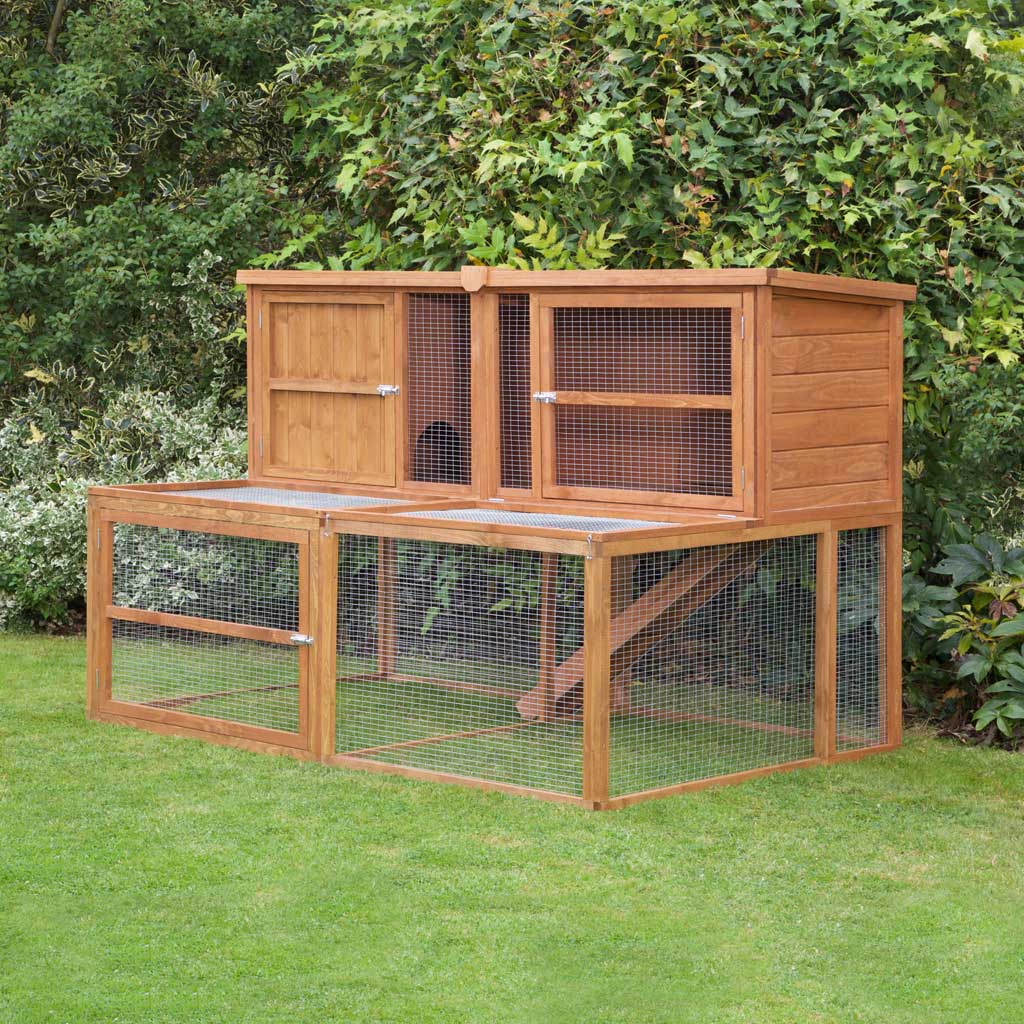
Choosing the right hutch is one of the most important decisions you’ll make before bringing your rabbit home. A hutch should never be seen as the entire living space, but as a secure base that is attached to a large run or exercise area. Rabbits need plenty of room to stand fully upright, stretch out comfortably and run freely every single day. A cramped hutch restricts movement, causes stress and can lead to health and behavioural problems. Always choose a sturdy, predator-proof hutch with strong timber, secure mesh and proper ventilation, and ensure it is connected to a spacious run so your rabbit has enough room to move naturally and stay active.
Ever Considered a Rabbit Shed? Here’s Why More Owners Are Upgrading
If you’re planning ahead after searching for rabbits for sale, it’s worth asking a bigger question — have you considered a rabbit shed instead of a standard hutch?
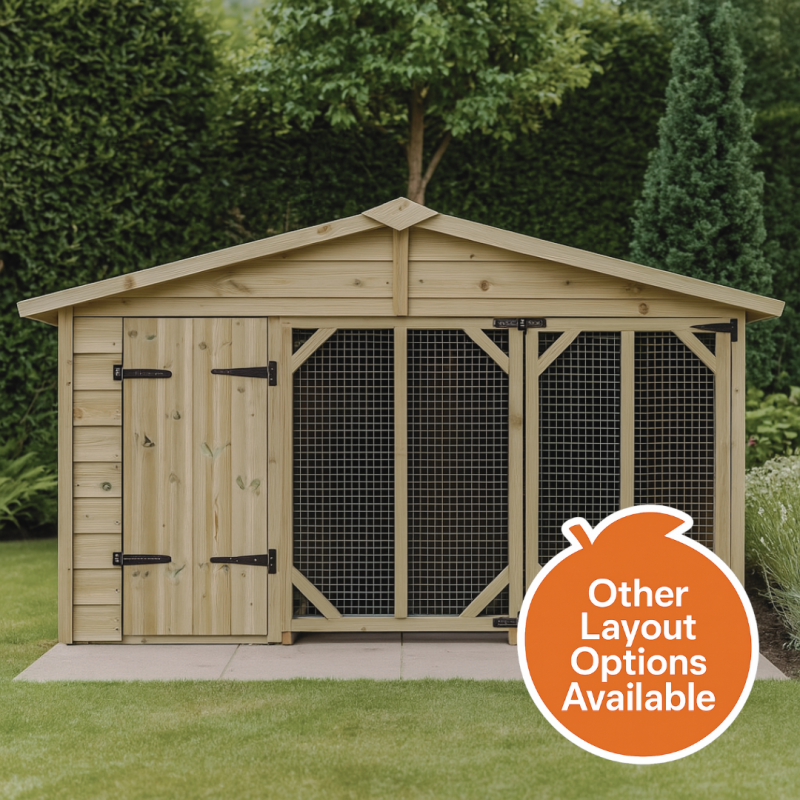
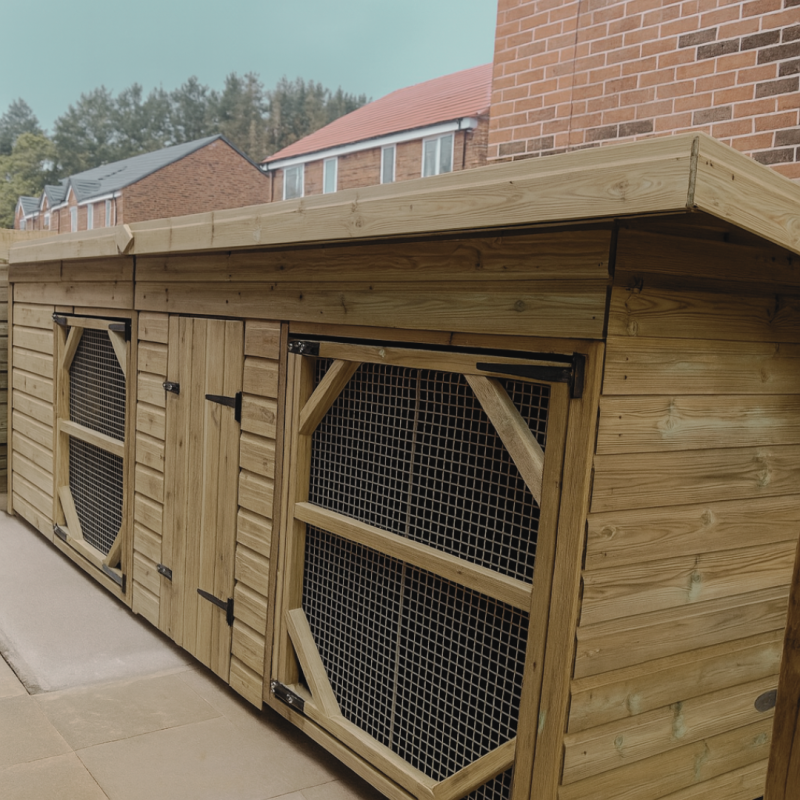
A rabbit shed provides significantly more space, height and flexibility. Unlike smaller hutches, sheds allow rabbits to run, stretch and explore more naturally, especially when combined with an attached run. The added height also makes daily cleaning, feeding and interaction far easier for owners.
Rabbit sheds are becoming increasingly popular in the UK because they offer better insulation, improved weather protection and stronger security against predators. They also allow you to create designated areas for sleeping, feeding and litter training, which supports both hygiene and enrichment.
If you’re serious about long-term rabbit ownership, a shed conversion or purpose-built rabbit shed can provide a safer, more spacious and more practical solution than traditional housing.
Large Rabbit Hutch Shed
£1,530.00 – £1,698.00Price range: £1,530.00 through £1,698.00The Willows Rabbit Shed
£1,740.00 – £2,585.00Price range: £1,740.00 through £2,585.00Luxury, Large Rabbit Hutch Shed
£1,017.27 – £2,179.67Price range: £1,017.27 through £2,179.67Exercise: Daily Movement Is Essential
Rabbits are active, athletic animals designed to run, hop, stretch and explore. In the wild, they would cover large areas each day. Restricting movement can lead to obesity, muscle loss, boredom and destructive behaviour.
Daily exercise is not optional — it is essential for both physical and mental health. Rabbits need space to sprint, perform energetic “binkies” and fully extend their bodies. Even the largest hutch is not enough on its own.
This is where rabbit runs become vital. A secure, attached run allows your rabbit to exercise safely outdoors while being protected from predators. Runs should be spacious, well-ventilated and strong enough to prevent escape or intrusion. The more room your rabbit has to move naturally, the healthier and happier they will be.
Binky Large Rabbit Run | Available in 6ft & 12ft
£99.99 – £139.95Price range: £99.99 through £139.95Burrow Rabbit Run with Burrow Portal | Available in 6ft & 12ft
£126.40 – £201.99Price range: £126.40 through £201.99Rabbit Ark and Run
£157.95 – £219.95Price range: £157.95 through £219.95Insurance, Vaccinations and Vet Costs
Veterinary care for rabbits is specialised and can be costly.
Rabbits require annual vaccinations against Myxomatosis and Rabbit Viral Haemorrhagic Disease (RHD). Neutering is strongly recommended to prevent reproductive cancers and reduce territorial behaviour. Dental checks are also important, as rabbits’ teeth grow continuously.
Emergency treatment for gut stasis, dental procedures or surgery can quickly become expensive. Pet insurance provides financial protection and peace of mind, ensuring your rabbit receives prompt treatment when needed.
If you are serious about purchasing a rabbit, factor veterinary costs into your budget from the beginning.
Rabbits and Children: Understanding Expectations
Rabbits are often chosen as pets for children, but they are not naturally cuddly animals.
As prey species, they can become frightened by loud noises or sudden handling. Many rabbits dislike being picked up and may struggle or kick, risking injury to themselves or the child.
Young children must always be supervised. Ultimately, daily care — cleaning, feeding and health monitoring — remains the responsibility of the adult in the household.
Clear expectations from the start prevent disappointment later.
Rabbits and Other Household Pets
If you already own dogs or cats, careful planning is essential.
Even well-trained dogs retain natural prey instincts. Secure housing and controlled introductions are critical. Rabbits should always have access to a safe, enclosed space where they feel secure.
With patience and management, some households successfully keep rabbits alongside other pets. However, safety and supervision must always be prioritised.
Never assume they will automatically get along.
Where to Get a Rabbit?
When looking for rabbits for sale, you have several options.
Rescue centres often have rabbits of different ages available for adoption. Many are already vaccinated and neutered, making the transition easier. Adoption can be a responsible and rewarding choice.
If purchasing from a breeder, visit in person where possible. Check that the rabbits are kept in clean, spacious conditions. Ask about diet, health history and temperament. Avoid sellers who cannot provide clear answers or rush the process.
Choosing the right source is as important as choosing the right rabbit.
Final Thoughts Before You Buy a.... "Rabbit for Sale"
Rabbits can be affectionate, playful and full of personality. With the right care, they make wonderful companions.
But they require planning, space, financial commitment and daily attention.
Before searching again for rabbits for sale, ensure you are fully prepared. Responsible ownership starts looooooooong before you bring your rabbit home.
FAQS
1. How long do rabbits live?
Rabbits typically live between 8 and 12 years with proper care. Good diet, appropriate housing, regular vaccinations and neutering can significantly improve lifespan and overall health.
2. How much space does a rabbit need?
Rabbits need far more space than most people expect. They require a secure hutch or shed for shelter, plus a large attached run or exercise area where they can stand upright, stretch out and run daily.
3. Are rabbits good pets for children?
Rabbits can be suitable family pets, but they are not toys. They are prey animals and may become stressed with rough handling. Adult supervision is always required, and daily care remains the parent’s responsibility.
4. Should rabbits live alone or in pairs?
Rabbits are social animals and generally thrive in bonded pairs. A neutered male and female pairing is often the most stable. Keeping a single rabbit requires significant daily human interaction.
5. What do rabbits eat?
Hay should make up the majority of a rabbit’s diet and must be available at all times. Fresh leafy greens and a measured portion of pellets should also be provided. Sugary treats should be limited.
6. Do rabbits need vaccinations?
Yes. Rabbits require annual vaccinations against Myxomatosis and Rabbit Viral Haemorrhagic Disease (RHD). These diseases can be fatal, so preventative care is essential.
7. How much does it cost to keep a rabbit?
Beyond the initial cost when searching for rabbits for sale, owners must budget for housing, hay, bedding, vaccinations, neutering, insurance and potential vet bills. Ongoing monthly costs should always be considered.
8. Can rabbits live indoors?
Yes, rabbits can live indoors if provided with adequate space and a rabbit-proofed environment. They must still have room to exercise safely and express natural behaviours.
9. Are rabbit sheds better than hutches?
Rabbit sheds can provide more space, better weather protection and easier access for cleaning and interaction. Many owners choose sheds for long-term housing, especially for bonded pairs.
10. Where is the best place to get a rabbit?
Rabbits can be adopted from rescue centres or purchased from reputable breeders. Always check housing conditions, ask about health history and ensure the seller prioritises animal welfare.